
Episode #411
Building the perfect portfolio when you own a practice
September 14, 2026
The investments you own may be perfectly reasonable—and still be completely wrong for you.
In this episode of 20/20 Money: The Business of Optometry, I’m joined again by Peter Lazaroff, Chief Investment Officer at Plancorp and author of The Perfect Portfolio: A Proven Guide to Smart Investing for Long-Term Success, for a conversation about what actually makes an investment portfolio “perfect.”
We discuss why portfolio construction has to begin with the investor rather than the investments, why simplicity is valuable but shouldn’t become an ideology, and how to evaluate whether added complexity is actually solving an important problem. Peter shares a four-question framework for evaluating new investments, explains the difference between owning an index and following an indexing philosophy, and walks through why rules-based investing can look very different from simply buying an S&P 500 fund or target-date fund.

Start Planning Today
Don’t miss out on exclusive access to financial tips, strategies, and expert-led webinars. Subscribe to the “Planning Life, On Purpose” newsletter today and stay ahead of the planning curve!
We also revisit direct indexing and the role tax-loss harvesting can play for business owners, particularly those who may eventually realize a significant capital gain from the sale of their practice. From there, we explore stocks versus bonds, the different ways investors should think about risk, and why reducing short-term volatility can sometimes introduce a different kind of long-term risk.
Most importantly for optometric practice owners, we discuss why your investment portfolio cannot be evaluated in isolation. Your practice is an asset on your personal balance sheet. Its cash flow, value, concentration risk, liquidity, insurance needs, and eventual sale should all influence how you think about the rest of your wealth.
Peter’s central point throughout the conversation is a useful one: there may not be a universally perfect portfolio, but there can be a portfolio that is appropriate for you, your goals, your behavior, and the entirety of your financial life.
NBS (Next Best Step): Look beyond your brokerage and retirement accounts and create a complete picture of your personal balance sheet. Include the value of your practice, cash, real estate, retirement accounts, taxable investments, and other meaningful assets. Then ask yourself whether those pieces are working together intentionally—or whether you’ve been making investment decisions one account at a time.
Have a podcast-related question? Contact our team here!
Resources:
- Book a Triage call with Adam
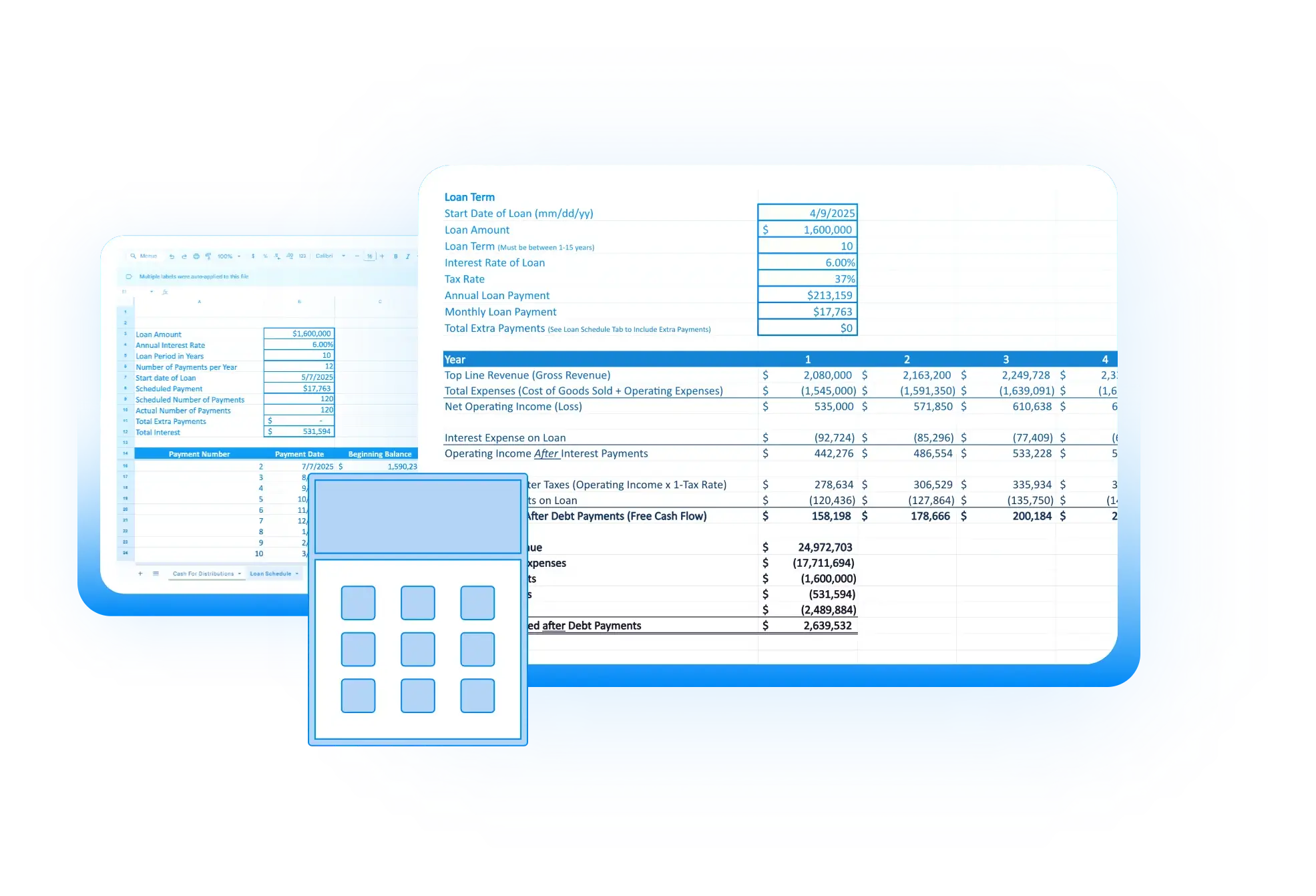
- Download the Practice Owner’s Financial Toolkit
- 20/20 Money Ultimate Financial Success Masterclass
- OD Mastermind Interest Form
- Check out Adam’s book: How to Buy an Optometry Practice
—————————————————————————————
Please rate and subscribe to 20/20 Money on these platforms
Spotify
—————————————————————————————
For past episodes of 20/20 Money with full companion show notes, please check out our episode archive here!
Check out Adam’s other podcast!
The Optometry Success Podcast
Subscribe on Apple Podcasts: https://bit.ly/4tttng6
Subscribe on Spotify: https://bit.ly/4tuf0YM
Episode Transcript
No transcript available yet.
Share